Ballerina Fairy Embroidery Design Review
As an embroidery designer with years of experience in custom apparel and handmade product creation, I always approach a new design with a mix of curiosity and caution. The Ballerina Fairy machine embroidery design caught my attention for its whimsical charm and thematic versatility. Here's how it performed when I evaluated it for real-world use across a variety of projects.
First Impressions: A Delicate Dance of Detail
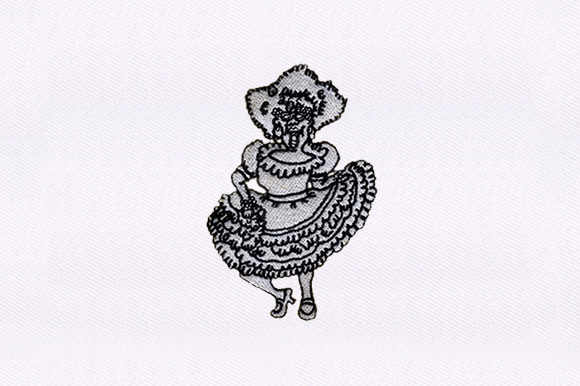
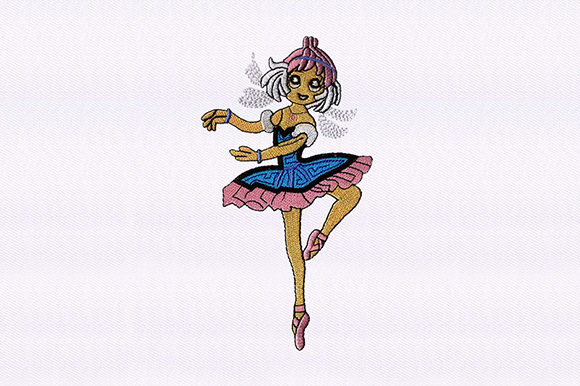
The Ballerina Fairy is not just another dance-themed design—it has a distinct visual personality that sets it apart. The silhouette is elegant yet playful, with flowing lines and intricate detailing that immediately evokes the grace of ballet. The layout feels balanced and intentional, which is reassuring when planning where to place it on a finished product. It doesn’t overwhelm the eye, but it also isn't too subtle; there’s a perfect middle ground between whimsy and sophistication.
I found the detail level impressive. The wings are delicately outlined with running stitch, while the dress uses satin stitch to maintain shape and definition. There are no unnecessary elements, but enough nuance to give the design character. This makes it ideal for projects like custom sweatshirts, tote bags, or even nursery decor, where a touch of fantasy can elevate the overall appeal without becoming distracting.
Real-Life Use Cases: Where Ballerina Fairy Shines
When considering where this design might work best, I thought of several practical applications:
- Tote bag design: The soft curves and flowing lines translate beautifully onto canvas or cotton fabric, adding a dreamy, artistic flair.
- Sweatshirt embroidery: The design sits well on a cozy hoodie, especially if you pair it with a name or date in a complementary font.
- Custom baby clothes: The fairy motif works exceptionally well for personalized gifts—think onesies or bibs with a gentle pastel thread palette.
- Embroidered patch: As a standalone patch, it adds a magical element to denim jackets, backpacks, or aprons.
- Holiday gifts: Placed on pillow covers or kitchen towels, it brings a festive and enchanting touch to home décor items.
- Etsy listings: For crafters selling digital embroidery files, this design fits neatly into the "whimsical" or "fairycore" niche, appealing to both hobbyists and small shop owners looking to offer unique handmade products.
What I appreciate most is how adaptable the Ballerina Fairy is in different contexts. It maintains its identity whether used as part of a larger embroidery project or as a focal point. Its color scheme and structure lend themselves well to printable mockups, helping Etsy sellers and boutique brands visualize how it will look before production.
Thread Colors and Fabric Backgrounds
This design includes multiple thread colors, which enhance its visual depth. However, I recommend testing it on a few fabric backgrounds before finalizing your product. On lighter fabrics like white cotton or pastel knits, the colors pop beautifully. On darker shades, the contrast may need adjusting—especially if you're targeting a more modern aesthetic. Consider using black and white mockups to see how the design holds up in grayscale, which can help determine visibility on any fabric tone.
Where to Use with Caution
While the Ballerina Fairy is versatile, there are a few situations where extra care is needed:
- Small hoop sizes: The design's delicate features could get lost if stitched in a smaller area than recommended. Always confirm the minimum hoop size from the file specifications before starting.
- Textured or stretchy fabric: If you're working with materials like jersey knit or flannel, be prepared to adjust stitch density and possibly add stabilizer underneath for better results.
- Thin or dark fabric: The fine details in the wings and dress may not show up as clearly on sheer or deep-colored textiles. Testing is key here.
- Curved surfaces: Stitching on a cap or curved tote bag could distort the proportions slightly. Be sure to test placement and consider seam allowances carefully.
- Dense stitch areas: Some parts of the design feature tight clusters of stitches. These may require additional tension adjustments or risk puckering if not properly stabilized.
It’s also worth noting that the design may not suit every commercial setting. While it looks great on boutique-style merchandise, it might feel out of place on overly casual items unless paired with other whimsical design assets. Think about the target audience and ensure the theme aligns with their preferences.
Designer Notes for Real Project Use
Here are some tips I’ve picked up after testing the Ballerina Fairy in various scenarios:
- Always test on scrap fabric first—especially if you’re using a new machine or unfamiliar thread set.
- Check stitch density settings to avoid overstuffing the design, particularly on lightweight materials.
- Confirm the hoop size requirements since some machines may not support the full range of motion for this design.
- Inspect small details like facial features and wing edges to ensure they remain crisp after stitching.
- Use proper stabilizer to prevent shifting or distortion, especially on stretchy or woven fabrics.
- If using it in a commercial embroidery context, make sure to check licensing terms (not provided in this description) before selling finished products or digital embroidery files.
Impact on Product Value and Customer Engagement
One of the biggest strengths of the Ballerina Fairy is its ability to enhance the perceived value of a product. Whether you're creating a personalized gift or branding a line of handmade products, this design adds a layer of artistry that customers notice and appreciate. Its cohesive style helps maintain brand consistency, especially for businesses specializing in holiday gifts or children’s items.
From a buyer engagement perspective, the design’s visual appeal invites closer inspection. In an Etsy listing, for example, it can serve as a standout feature that draws potential buyers in. When used on custom apparel or gift items, it communicates thoughtfulness and quality, which are essential for building customer trust.
Stitch Clarity and Presentation
After completing a sample on a cotton sweatshirt, I was impressed by how clean the running stitch and satin stitch sections came out. The fairy’s face was clear, and the wings maintained their shape without fraying. That said, the fill stitch areas were moderately dense, so I’d advise against skipping the stabilizer step, especially for beginners.
For embroidered patches, the design holds up well as long as the backing is strong and the stitches aren’t overcrowded. If you plan to wash the item frequently, such as with a baby blanket or tea towel, make sure to use high-quality threads and secure the back of the design properly to prevent unraveling.
Final Thoughts for Makers and Merchants
In summary, the Ballerina Fairy is a well-crafted machine embroidery design that adds charm and elegance to a wide range of handmade products. It’s suited for both personal and professional use, making it a solid choice for Etsy sellers, small shop owners, and creative entrepreneurs who want to offer something memorable and magical.
However, it’s important to treat it with the respect it deserves. Don’t assume it will work flawlessly on every fabric type or surface. Take time to review thread color choices, test stitch density, and ensure compatibility with your machine and chosen hoop size. These steps will help you deliver a finished product that meets expectations and stands out in the market.
Overall, I’d say this is one of those designs that feels special upon first glance and continues to impress once stitched. With the right preparation and presentation, the Ballerina Fairy can become a signature element in your craft business or a treasured personalized gift for clients and customers alike.