Wine Embroidery Design Review for Craft Fair Success
If you're an embroidery designer or a creative entrepreneur preparing for your next craft fair, the Wine machine embroidery design is one worth considering. As someone who has spent years evaluating what works on booth displays and in online Etsy listings, I know that a design must do more than look good—it needs to stand out, appeal to customers at a glance, and translate well across various products. Let’s dive into how this machine embroidery design can elevate your offerings.
First Impressions: A Timeless Theme with Broad Appeal
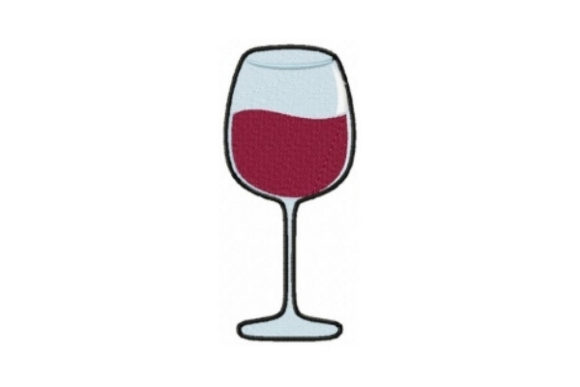
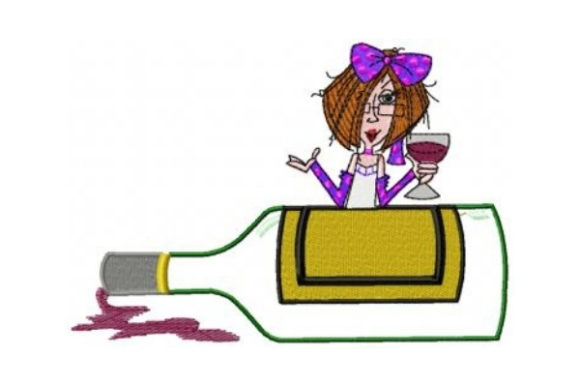
The Wine design speaks directly to wine lovers, which is a huge market of its own. From the title and description, it feels like a versatile and decorative piece—perfect for adding charm to everyday items. While the exact style isn’t detailed, the name suggests something elegant yet approachable, possibly leaning toward a modern or farmhouse aesthetic. That kind of vibe resonates well with handmade product buyers looking for unique, lifestyle-focused pieces.
What makes Wine especially promising is its theme. Wine-related designs are not only popular among adults but also have strong seasonal relevance during holidays, weddings, and birthdays. The right application could make it feel both premium and practical, giving it a broad visual appeal.
Where Does Wine Shine Best?
Let’s break down how Wine performs across different product types that are common in craft fairs and handmade markets:
- Tote Bags: This design could serve as a bold focal point on canvas or cotton tote bags. It adds personality and instantly communicates a niche that appeals to foodies and gift shoppers alike.
- Aprons: Whether stitched near the pocket or along the waistband, Wine brings a touch of sophistication. Apron embroidery often benefits from subtle elegance, and this design seems to fit that bill.
- Tea Towels: If the design is soft and stylized, it could work beautifully on linen or cotton kitchen towels. Its presence would elevate your tea towel line from basic to boutique quality.
- Patches & Caps: For embroidered patches or curved surfaces like baseball caps, Wine might need to be simplified or resized. But if done right, it becomes a charming accessory or conversation starter.
- Fabric Pouches & Pillow Covers: These small-to-medium-sized items are perfect for showcasing accent designs. Wine can be placed strategically to draw attention without overwhelming the fabric.
- Handmade Gifts: Think custom wine-themed coasters, bottle cozies, or even mini market bags. The design's adaptability means it can become part of a cohesive gift set, increasing perceived value.
- Booth Samples: Visuals matter. When displayed on high-quality tote bags or aprons, Wine can anchor your booth’s aesthetic and attract those browsing for stylish, functional items.
Its potential as a commercial embroidery design is also there, especially if it includes multiple sizes and placements. This flexibility allows digital sellers to cater to both small shop product lines and larger production runs.
Practical Considerations for Production and Sales
When selecting an embroidery file for your booth, it’s essential to think about practicality as much as beauty. Here’s how Wine holds up under scrutiny:
- Glance Appeal: A customer passing by your table should recognize the theme immediately. Wine does this well if it’s clear and bold enough. However, avoid overcomplicating the design if it’s meant to be an accent.
- Scale Flexibility: The description mentions “multiple embr,” suggesting it comes in various sizes. This is crucial for adapting to different products and ensuring it looks just right whether large or small.
- Photography-Friendly: For Etsy sellers and digital embroidery file creators, how a design photographs is key. Wine appears likely to capture well on light-colored fabrics, making it ideal for listing photos that highlight thread colors and stitch definition.
- Batch Production Readiness: If you’re producing a few dozen items before a weekend event, having a design that stitches consistently is important. Wine should perform reliably, but always test it first on scrap fabric to confirm.
Design Performance on Fabric and Threads
Embroidery success hinges on the interplay between the design and the fabric. With Wine, here are some considerations:
- Dense Stitch Areas: Be cautious if the design includes intricate elements. Dense stitching may require extra stabilizer or risk puckering on lighter materials.
- Thread Colors: Since the description doesn’t specify, it’s smart to experiment with color palettes. Darker threads will pop against white or pastel fabrics, while metallic threads can add a festive flair for holiday collections.
- Dark Fabric Use: On darker backgrounds, ensure the design remains legible and vibrant. You may need to adjust thread choices or placement to maintain visibility.
- Textured Fabrics: If using it on tea towels or canvas, consider how texture might affect stitch clarity. Smooth fabrics are usually best for maintaining the design’s integrity.
- Curved Surfaces: For caps or pouches with curves, check if the design is compatible with the hoop size and surface curvature. Some embroidery files handle this better than others.
Visual Impact and Customer Engagement
At craft fairs, your booth needs to catch eyes quickly. Wine offers a thematic hook that’s easy to understand and visually engaging. When paired with complementary design assets like matching labels or packaging, it can create a brand-consistent line that feels curated rather than random.
Visually, the design can enhance the perceived value of your products. An embroidered tote bag with Wine feels handcrafted and thoughtful, especially if the stitching is clean and professional. Customers notice details like stitch density and spacing, so these should be tested thoroughly before mass production.
For buyer engagement, consider how Wine fits into your overall booth display. Grouping similar themes together—like wine accessories or farmhouse-style décor—can encourage purchases in bundles. This strategy is particularly effective for handmade shop owners and boutique makers aiming to boost sales per customer.
Designer Tips for Using Wine Effectively
Before committing to full production, take these steps to ensure Wine meets your standards:
- Test on Scrap Fabric: Always stitch the design on a sample of your intended fabric to see how it behaves with your machine and chosen threads.
- Check Thread Contrast: Make sure the colors used in the design clearly stand out against your fabric choice. Adjustments may be needed for dark or patterned textiles.
- Review Spacing and Proportion: Ensure the design is balanced and doesn’t get lost or cramped depending on where it’s placed.
- Confirm Hoop Size Requirements: Knowing the recommended hoop size helps prevent issues during stitching and ensures consistent results across all items.
- Inspect Stitch Density: Especially if the design includes complex patterns or lettering, too many stitches in one area can cause distortion or damage to the fabric.
- Use the Right Stabilizer: Depending on the fabric, you may need tear-away, cut-away, or wash-away stabilizers to achieve the best outcome.
- Create Real Mockups: Before finalizing any product, create at least one real-life mockup to assess how the design interacts with the item in person.
- Compare Fabric Colors: Try the design on a few different shades to see which ones bring out the best in the embroidery.
- Verify Commercial Licensing: If you plan to sell finished products, always double-check the license terms of the digital embroidery file to stay compliant and protect your business.
Final Thoughts for Embroidery Business Owners
In summary, Wine is a strong contender for your next craft fair collection. Its thematic versatility, combined with the ability to scale and adapt to various products, makes it suitable for both personal use and commercial embroidery ventures. Whether you're an Etsy seller looking to expand your line or a Cricut enthusiast branching into embroidery, this design has the potential to attract attention and drive sales.
Remember, the success of any embroidery design lies in how it translates from file to finished product. Pay attention to fabric compatibility, stitch behavior, and visual impact. With a bit of preparation and testing, Wine can become a standout feature of your booth and a favorite among your customers.