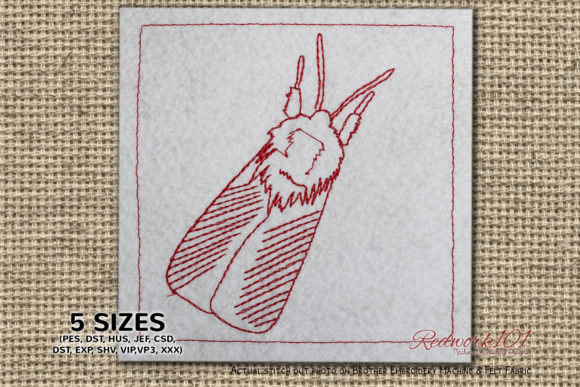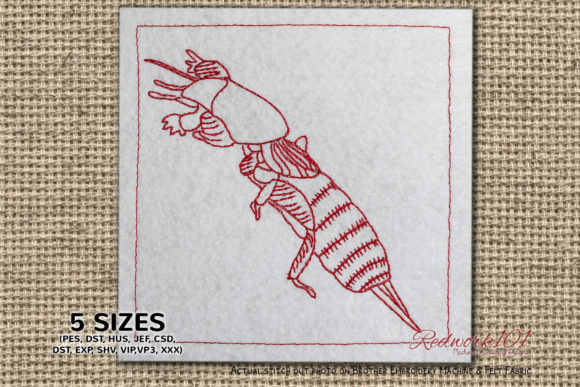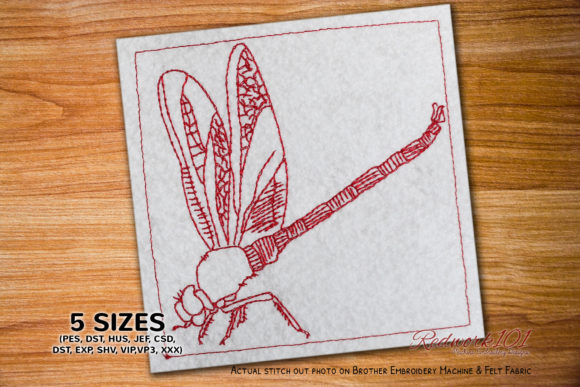
Zygentoma Lineart Embroidery Design Review
As an experienced embroidery designer, I often evaluate machine embroidery designs for their potential in branded merchandise. Zygentoma Lineart caught my attention due to its clean aesthetic and adaptability. From the product title and description alone, it’s clear that this design offers a customizable structure—especially with the optional box stitch and color variation on the outer frame. That flexibility makes it promising for small business branding across multiple products.
First Impressions: A Modern and Professional Look
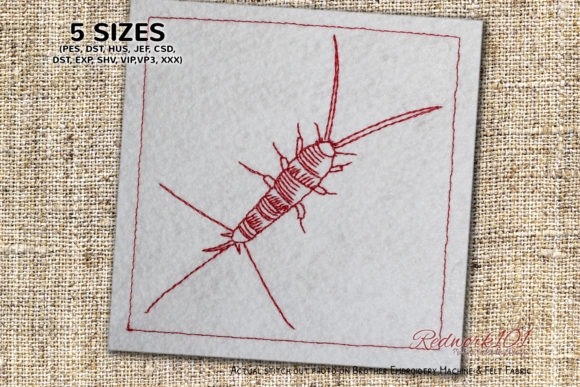
The name Zygentoma Lineart suggests a minimalist and line-based approach, which aligns well with modern design trends. The mention of the optional box stitch indicates a level of thoughtfulness in how the design can be adapted to different applications. It also implies a professional edge, as many commercial embroidery projects benefit from having a defined border or frame.
Lineart styles are popular among brands that want a subtle yet recognizable logo. They work especially well for businesses like cafés, handmade shops, and boutiques that value simplicity and clarity in their visual identity. If you're looking for something bold or intricate, Zygentoma Lineart may not fit—but if your brand leans towards sleek, elegant, or rustic aesthetics, this could be a strong contender.
Real-World Business Applications
Let’s dive into where Zygentoma Lineart shines in practical use:
- Embroidered patches: The lineart style allows for high contrast and visibility, making it suitable for embroidered patches used on denim jackets, backpacks, or promotional gear. The optional box adds a nice touch for definition without overwhelming the design.
- Staff uniforms: This design is great for subtle chest logos or sleeve details. Its clean lines won’t distract from the professionalism of the uniform while still adding a signature element.
- Apron embroidery: For bakeries, cafés, or craft studios, Zygentoma Lineart can serve as a quiet but effective brand mark on aprons. It maintains a premium feel even when placed on everyday wear.
- Cap embroidery: When applied to caps, the design works best on the back or side rather than the front. Its linear nature helps avoid cluttering the limited space on cap fronts.
- Tote bag design: The open lineart format complements tote bags made from cotton or canvas. It's versatile enough to stand out against both light and dark backgrounds, depending on thread choice.
- Product packaging accents: Use it as a label or accent on custom packaging for artisanal goods, such as baked treats or handcrafted candles. The design’s clarity ensures it remains legible and attractive.
- Boutique merchandise: Whether on tags, labels, or small embroidered hits on clothing, Zygentoma Lineart supports the handmade vibe many boutiques aim for.
- Customer gifts & event merch: As part of giveaway items or event swag, the design adds a cohesive and thoughtful touch without being too flashy.
- Etsy branding: Handmade sellers will appreciate how Zygentoma Lineart enhances product listings with a consistent visual motif across packaging and apparel.
- Commercial embroidery projects: With proper preparation, this design can scale well for larger orders, maintaining a unified brand image across all items.
Where to Use Zygentoma Lineart Carefully
While Zygentoma Lineart is versatile, there are certain considerations to keep in mind when using it for commercial embroidery:
- Small patch sizes: The design may lose clarity if scaled down too much. Always test at actual size before mass production.
- Cap fronts: Unless simplified significantly, placing it on the front of a cap might make it appear too busy or hard to read.
- Curved surfaces : Because of the linear nature of the design, distortion can occur on curved items unless properly adjusted during digitization.
- Tiny lettering: If the design includes text, ensure that the font is large enough to remain legible after stitching.
- High stitch density: Avoid over-stitching the outer box if it’s not integral to the design. High-density areas can lead to puckering or fabric strain.
- Textured fabric: Lineart designs require smooth surfaces to maintain sharpness. Textured materials like felt or heavy canvas may soften the look unintentionally.
- Dark uniforms: Consider thread colors carefully. Lighter threads can help the design pop, whereas darker ones may blend into the background.
- Frequent washing: Items like aprons or work shirts need durable stitching. Ensure the design has sufficient spacing and uses quality thread to withstand regular laundering.
Impact on Brand Identity and Recognition
Using Zygentoma Lineart in your brand’s small business merch can enhance brand identity by providing a consistent visual motif. Its line-based structure gives it a soft, artistic presence that can appeal to customers who value craftsmanship and minimalism. In the context of handmade or boutique businesses, this design supports a premium, thoughtful image.
Visual consistency is key for customer trust and recognition. By applying Zygentoma Lineart across your custom apparel, packaging, and accessories, you create a familiar pattern that reinforces your brand in subtle ways. This is especially effective for Etsy sellers and local artisans aiming to build a loyal following through repeatable, recognizable branding elements.
Design Notes for Embroidery Shops and Product Creators
Before finalizing Zygentoma Lineart for any project, here are some practical steps every embroidery shop or product designer should follow:
- Test it in black and white first: See how it looks without color influence. This helps determine if the design holds up on its own.
- Check small patch size viability: Resize the embroidery file to reflect the intended use and ensure no important details are lost.
- Review thread color contrast: Choose thread colors that stand out against the fabric. Dark-to-light or light-to-dark combinations often yield the best results.
- Inspect spacing and layout: Ensure that the design doesn’t have overly tight spacing or overlapping stitches that could cause issues during production.
- Confirm hoop size requirements: If the design is large, check what hoop size is needed. Some embroidery machines have limitations, so this is essential for compatibility.
- Test on real fabric: Always stitch the design onto the actual material you plan to use. This reveals how it interacts with fabric texture and stabilizer needs.
- Use proper stabilizer: Especially for delicate fabrics, the right stabilizer prevents puckering and maintains the crisp lines of the design.
- Create a printable mockup: Show clients how Zygentoma Lineart will look on their chosen item. This avoids misunderstandings and improves client satisfaction.
- Compare it beside other design assets: Make sure the design fits within your overall brand visuals. Consistency across all design assets builds stronger brand recognition.
- Confirm commercial licensing: Before using the digital embroidery file for production, verify whether it allows commercial use. This step is crucial for avoiding legal issues.
Final Thoughts for Merch Creators
Zygentoma Lineart is a solid choice for small business owners seeking a clean, adaptable embroidery solution. Its lineart style brings a sense of handmade presentation while remaining scalable for commercial embroidery. Whether you’re working on a finished product like staff uniforms or creating customer gifts, this design can contribute to a polished and cohesive brand image.
However, its effectiveness depends heavily on how it’s implemented. Pay close attention to stitch density, fabric type, and placement. With the right adjustments, Zygentoma Lineart can become a trusted part of your product labels, sleeve details, or cap embroidery.
If you're considering Zygentoma Lineart for your next machine embroidery design project, take the time to review each application thoroughly. Small details in embroidery can greatly impact the product value and perception of your brand.