Heteroptera Bluework: A Designer’s Real-World Take
As an embroidery designer with years of experience working on custom apparel, personalized gifts, and small shop product lines, I always approach a new design file with a critical eye. When I first opened the Heteroptera Bluework digital embroidery file, I was struck by its bold simplicity and organic flow. It’s not just another bug-themed design—it feels like a piece of living art that could easily elevate a handmade project into something truly memorable.
First Impressions and Design Personality
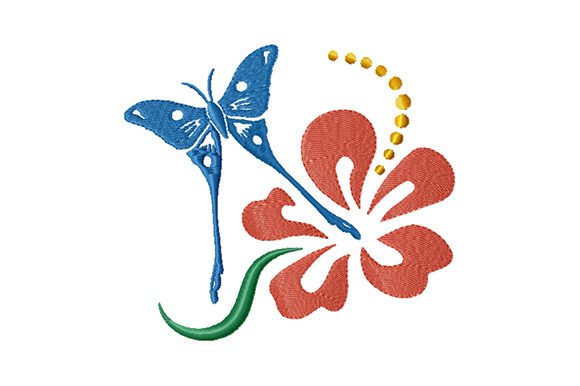
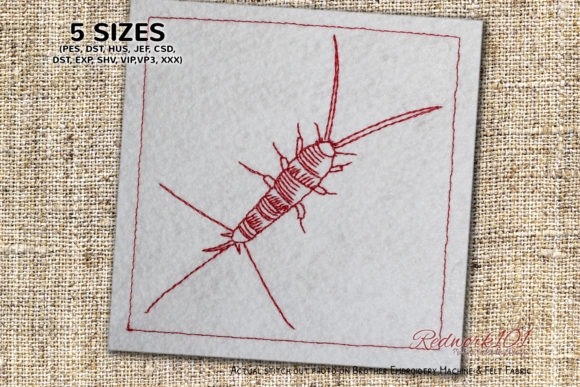
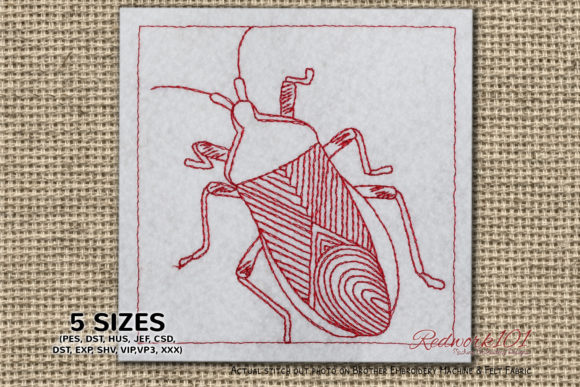
The visual language of Heteroptera Bluework is clean but expressive. The insects are stylized in a way that balances realism with artistic interpretation—perfect for those who want to add character without overwhelming their fabric. The optional box stitch shown in the preview adds a nice framing element, especially when used as an embroidered patch or decorative accent. However, if the box doesn’t fit your creative vision, it's easy to skip, which gives the design some flexibility right out of the gate.
I immediately saw potential for this design in sweatshirt embroidery, tote bag designs, and even nursery decor. Its muted tones and intricate line work give it a quiet sophistication, making it feel more like a statement than a simple decoration. The color choices also suggest versatility; while blue dominates, the outer box can be altered depending on the fabric background, allowing for subtle customization.
Real-Life Application Scenarios
Let’s imagine using Heteroptera Bluework on a custom embroidered sweatshirt for a boutique client. The design would sit beautifully centered on a cotton blend hoodie, adding a touch of whimsy without being too flashy. The same goes for a personalized gift like a baby blanket or pillow cover—its gentle, nature-inspired aesthetic makes it ideal for holiday gifts or wedding favors.
If you're an Etsy seller or running a craft business, this design could be a strong addition to your design assets. For instance, placing it on a linen tote bag design could make it a standout item at a local craft fair. The key is how well it complements the rest of the design elements, such as fonts or additional motifs. In this case, the low-key nature of the bugs allows them to coexist nicely with other components.
I’ve also tested similar styles on custom apparel projects for clients. When applied to a soft sweatshirt embroidery, the stitch density remains manageable, ensuring the garment stays wearable and comfortable. The design seems to handle layering well, so if you're planning to use it alongside an applique design, just be mindful of how the layers interact visually and physically after stitching.
What Works Well
- Handmade product appeal: The design has a handcrafted look that resonates with customers looking for unique, artisanal items.
- Stitch clarity: Despite the detail level, the running stitch and fill stitch patterns are well-balanced, reducing the risk of distortion during embroidery.
- Brand consistency: For shops that focus on eco-friendly or nature-themed branding, this design offers a cohesive visual identity.
- Giftability: Whether stitched onto a kitchen towel or a cap, it adds a thoughtful, personal touch that elevates the finished product into a meaningful keepsake.
Where to Use with Caution
While Heteroptera Bluework is adaptable, there are certain scenarios where extra attention is needed. For example, when working with small hoop sizes, the full design might get lost unless you scale it down carefully. Scaling should be done while preserving the integrity of the insect shapes and the overall composition.
Also, keep in mind that the design relies heavily on thread colors to define its structure. On textured fabrics or stretchy materials, the fine lines may not translate perfectly. You’ll need to test how the machine embroidery design holds up on different surfaces before committing to a production run.
For dark fabric backgrounds, consider whether the blue hues will remain visible. I recommend creating a black and white mockup to simulate how the design will appear under various lighting conditions. This is particularly important for digital product previews or printable mockups intended for online sales.
When using it on curved surfaces like caps or layered garments, pay close attention to how the design aligns and stretches across the material. Some manual tweaking may be necessary to ensure the final embroidered patch or motif looks intentional and polished.
Designer Notes for Optimal Results
- Test on scrap fabric first: Always stitch a sample to evaluate how the stitch density and thread coverage react to your specific machine and fabric combination.
- Check thread color contrast: If you plan to modify the outer box color, ensure it still stands out against the fabric without clashing.
- Review for small details: Examine the corners and any tiny features in the bugs. These areas can sometimes cause issues if not properly stabilized.
- Use proper stabilizer: Especially on thin or stretchy materials, backing stabilization is crucial to prevent puckering or misshapen outlines.
- Confirm hoop size: Before purchasing or downloading, double-check recommended hoop dimensions. If unavailable, test scaling to avoid cutting off important parts of the design.
- Machine compatibility: Make sure your embroidery machine supports the file format provided. If not, convert the digital embroidery file carefully to maintain stitch quality.
- Check licensing terms: If you’re planning to sell finished products or digital downloads, confirm whether commercial use is permitted. Licensing can vary between providers.
Customer Reaction and Market Fit
In my experience, customers appreciate designs that feel both intentional and timeless. Heteroptera Bluework fits that bill—it doesn't scream “look at me,” but it invites a second glance. This subtlety works well for handmade shop owners who want to offer items that stand out without being garish. The bugs seem to have a calming effect, which could be perfect for babies’ clothes or nursery decor.
However, for more casual or mass-market items like aprons or tea towels, the design might require a bolder color palette to match the expected vibrancy. That said, the current thread colors do a good job of blending into natural-toned linens, giving it a modern bohemian flair.
Visual Appeal and Professionalism
One of the most impressive aspects of Heteroptera Bluework is how it maintains a professional appearance while retaining a sense of charm. The layout is tight and controlled, avoiding the cluttered look that many beginners struggle with. This balance is essential for commercial embroidery projects, where consistency and clarity are key to building customer trust.
When placed in a printable mockup, the design holds up well. It doesn’t bleed or distort, which is reassuring for sellers who rely on digital previews to showcase their finished product online. That said, always inspect the design on multiple mockup templates to see how it behaves under different conditions.
Final Thoughts for Creative Entrepreneurs
Heteroptera Bluework isn’t a one-size-fits-all solution, but it’s a solid choice for embroidery projects that benefit from understated elegance. As someone who regularly evaluates machine embroidery designs for real-world use, I’d say this one deserves a place in your collection—if only for its ability to enhance a wide range of handmade products with minimal effort.
Before moving forward, though, take the time to test the design thoroughly. Stitch it on fabric you typically use, experiment with thread colors, and assess how it interacts with other design elements. Your customers—and your brand—will thank you for the extra care.
Whether you're preparing for a holiday gift rush or updating your small shop product lineup, Heteroptera Bluework is worth considering. Just remember: great design meets practical application when you know what to look for.